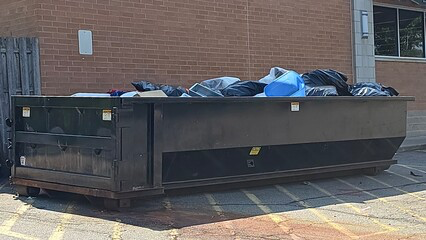
Roll Off Dumpster Paris TX is one of the most practical and efficient waste management solutions for large projects that generate substantial debris. Commonly used in construction, remodeling, demolition, and major cleanouts, roll off dumpsters provide a convenient way to collect, contain, and remove waste in an organized manner.
Unlike standard trash bins, these containers are designed for temporary use and can handle high volumes of heavy materials. Understanding how roll off dumpsters work and when they are most beneficial helps homeowners, contractors, and businesses manage waste more effectively.
What a Roll Off Dumpster Is
A roll off dumpster is a large, rectangular waste container with an open top and a swinging door on one end. The name comes from the way the container is delivered and removed. Specialized trucks roll the dumpster off the back of the vehicle and place it at the designated location. When the dumpster is full or the project is complete, the truck returns to roll it back onto the vehicle for disposal.
Roll off dumpsters are designed for temporary use and are ideal for projects that generate more waste than standard dumpsters can handle. Their open top design allows for easy loading of bulky or heavy materials. The rear door makes it easier to walk debris into the container rather than lifting everything over the sides.
Common Uses for Roll Off Dumpsters
Roll off dumpsters are widely used in construction and renovation projects. Contractors rely on them to dispose of materials such as wood, drywall, roofing shingles, concrete, and metal. Keeping debris contained improves safety and efficiency on job sites.
Homeowners also use roll off dumpsters for major cleanouts, remodeling projects, or landscaping work. Clearing out a garage, basement, or entire home can produce a significant amount of waste. A roll off dumpster provides a centralized solution that simplifies disposal.
Demolition projects, roof replacements, and commercial renovations are additional situations where roll off dumpsters are essential. Their capacity and durability make them suitable for demanding applications.
Roll Off Dumpster Sizes and Capacity
Roll off dumpsters are available in a range of sizes to accommodate different project needs. Sizes are typically measured in cubic yards, which represent the volume of waste the container can hold. Smaller roll off dumpsters are suitable for moderate projects, while larger containers are used for large scale construction or demolition.
Choosing the right size is important. A dumpster that is too small may fill up quickly, requiring additional hauls. A dumpster that is too large may increase costs unnecessarily. Rental companies often provide guidance based on the type and scope of the project to help customers select the appropriate size.
Understanding capacity also includes considering weight limits. Heavy materials such as concrete, brick, or dirt can reach weight limits before the dumpster is full. Proper planning helps avoid overage fees or collection delays.
How Roll Off Dumpster Rental Works
The roll off dumpster rental process is designed to be simple and efficient. Customers begin by contacting a rental company to discuss their project and determine the appropriate dumpster size. Delivery and pickup dates are scheduled based on the project timeline.
The rental company delivers the dumpster to the specified location using a specialized truck. The container is placed carefully to ensure accessibility and stability. Once delivered, the customer fills the dumpster with approved materials throughout the rental period.
When the project is complete or the dumpster is full, the customer schedules pickup. The rental company returns to remove the dumpster and transport the waste to a disposal or recycling facility. This process eliminates the need for multiple trips to a landfill.
Materials Allowed in a Roll Off Dumpster
Roll off dumpsters can accommodate a wide variety of materials, but there are restrictions to ensure safe and legal disposal. Commonly accepted materials include construction debris, household junk, furniture, yard waste, and non hazardous materials.
Certain items are typically prohibited. Hazardous materials such as chemicals, paint, oil, batteries, asbestos, and medical waste are not allowed. Tires, appliances with refrigerants, and electronics may also require special handling.
Rental companies provide guidelines on acceptable materials and may offer solutions for disposing of restricted items. Following these rules prevents additional charges and ensures compliance with environmental regulations.
Benefits of Using a Roll Off Dumpster
One of the main benefits of a roll off dumpster is convenience. Having a large container on site allows waste to be disposed of immediately, keeping the project area clean and organized. This improves safety by reducing clutter and potential hazards.
Efficiency is another key advantage. Roll off dumpsters eliminate the need for repeated trips to disposal facilities. This saves time, fuel, and labor, especially for large projects.
Roll off dumpsters also support better project management. Contractors and homeowners can focus on the task at hand without worrying about waste buildup. The organized disposal system contributes to smoother workflows and faster completion.
Roll Off Dumpsters for Residential Projects
In residential settings, roll off dumpsters are ideal for large cleanouts, renovations, and landscaping projects. Home improvement tasks such as kitchen remodels, bathroom renovations, or deck removal generate more waste than standard trash services can handle.
A roll off dumpster provides homeowners with a flexible and manageable solution. The open top design makes it easy to dispose of bulky items like cabinets, furniture, or flooring. The container can remain on site for the duration of the project, allowing work to progress at a comfortable pace.
Homeowners appreciate the simplicity and control that roll off dumpsters offer during major projects.
Roll Off Dumpsters for Commercial and Construction Use
Commercial and construction projects rely heavily on roll off dumpsters for efficient waste management. Job sites produce continuous debris that must be removed quickly to maintain safety and productivity.
Roll off dumpsters are durable enough to handle heavy and sharp materials common in construction. Their large capacity reduces the frequency of pickups, saving time and cost. Contractors can coordinate waste removal with project schedules to minimize disruption.
For commercial renovations or property maintenance, roll off dumpsters help manage large volumes of waste while maintaining a professional work environment.
Placement and Site Considerations
Proper placement of a roll off dumpster is essential for accessibility and safety. The container should be placed on a level surface with sufficient space for delivery and pickup trucks. Driveways, parking areas, or designated work zones are common locations.
In some areas, placing a roll off dumpster on a public street may require a permit. Rental companies can often advise on local regulations and assist with permit requirements.
Protecting surfaces under the dumpster is also important. Placing boards beneath the container can prevent damage to pavement or landscaping.
Environmental Responsibility and Recycling
Many roll off dumpster rental companies prioritize responsible waste management. After pickup, waste is often sorted to recover recyclable materials such as metal, wood, and concrete. This reduces landfill use and supports sustainability efforts.
Some projects may require separate dumpsters for recyclable materials. Rental companies can offer guidance on recycling options and environmentally friendly practices.
Using roll off dumpsters responsibly contributes to cleaner work sites and reduced environmental impact.
Cost Factors and Budgeting
The cost of renting a roll off dumpster depends on several factors, including size, rental duration, location, and type of waste. Weight limits and overage fees can also affect pricing.
Understanding these factors helps customers budget accurately. Choosing the right size and adhering to guidelines reduces the risk of additional charges.
Reputable rental companies provide clear pricing and explain potential fees upfront, ensuring transparency.
Safety Guidelines for Roll Off Dumpster Use
Using a roll off dumpster safely involves following basic guidelines. Do not overfill the container, as this can create hazards and prevent pickup. Distribute weight evenly to maintain stability.
Avoid placing prohibited materials in the dumpster and keep the area around it clear. Following safety recommendations protects workers, property, and the waste removal process.
Choosing the Right Roll Off Dumpster Provider
Selecting a reliable roll off dumpster rental provider is key to a smooth experience. Factors to consider include availability, customer service, pricing transparency, and compliance with regulations.
A good provider helps customers choose the right size, explains disposal rules, and responds promptly to scheduling needs. This support ensures the dumpster rental process is efficient and stress free.
Final Thoughts on Roll Off Dumpsters
Roll off dumpsters offer a dependable and efficient solution for managing large volumes of waste. Their capacity, convenience, and versatility make them essential for construction, renovation, and major cleanout projects.
By understanding how roll off dumpsters work and choosing the right provider, homeowners and businesses can manage waste effectively, maintain safety, and keep projects on track. Roll off dumpsters simplify cleanup and support successful project completion.