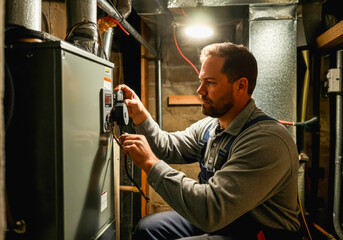
A furnace that turns on but fails to blow hot air can be frustrating, especially during colder months when reliable heating is essential for comfort and safety. This issue is more common than many homeowners realize and can be caused by a range of problems, from simple thermostat settings to more serious mechanical failures.
Understanding the common causes of a furnace not blowing hot air and knowing which quick fixes to try can help you restore heat faster and determine when it is time to call a professional. Check out FURNACE REPAIR CINCINNATI to learn more.
How a Furnace Is Supposed to Work
To understand why a furnace may not be blowing hot air, it helps to know the basics of how it operates. A furnace heats air using gas, electricity, or oil and then distributes that warm air throughout the home using a blower fan and ductwork. The thermostat signals the furnace to turn on, the heat source warms the air, and the blower pushes it through the vents.
When any part of this process is disrupted, the furnace may run without producing warm air. Identifying where the breakdown occurs is key to finding the right solution.
Thermostat Settings and Simple User Errors
One of the most common and easily overlooked causes of a furnace not blowing hot air is an incorrect thermostat setting. If the thermostat is set to cool instead of heat, or if the fan is set to on rather than auto, the system may blow air that feels cold.
When the fan is set to on, it runs continuously even when the furnace is not actively heating. This can cause cool air to circulate between heating cycles. Switching the fan setting back to auto allows it to run only when warm air is being produced.
Also check that the thermostat temperature is set higher than the current room temperature. Dead batteries in digital thermostats can also cause communication issues with the furnace.
Dirty or Clogged Air Filters
A dirty air filter is one of the most common causes of heating problems. When the filter becomes clogged with dust and debris, it restricts airflow. This can cause the furnace to overheat and shut down the heating element as a safety measure while the blower continues to run.
When this happens, the system may blow air that feels lukewarm or cold. Replacing the air filter is a quick and inexpensive fix that often restores normal operation.
Most filters should be checked monthly during the heating season and replaced every one to three months depending on usage and filter type.
Pilot Light or Ignition Problems
For gas furnaces, issues with the pilot light or electronic ignition system can prevent the furnace from producing heat. If the pilot light is out, the furnace will not be able to ignite the burners, resulting in no warm air.
Older furnaces often have standing pilot lights that can go out due to drafts or debris. Newer models use electronic ignitions that can fail due to wear or electrical issues.
If you are comfortable doing so and your furnace has a manual pilot, relighting it according to the manufacturer’s instructions may solve the problem. If the pilot light will not stay lit or the ignition fails repeatedly, professional service is usually required.
Problems With the Gas Supply
Another possible cause is an issue with the gas supply. If the gas valve is closed or partially closed, the furnace may not receive enough fuel to heat the air properly. This can happen after maintenance work or due to accidental adjustments.
Check that the gas valve near the furnace is fully open. If other gas appliances in the home are also not working correctly, there may be a larger gas supply issue that requires immediate professional attention.
Never attempt to repair gas lines yourself. If you smell gas, leave the home and contact the appropriate emergency services.
Faulty Flame Sensor
The flame sensor is a safety device that detects whether the burners are lit. If it does not sense a flame, it shuts off the gas supply to prevent dangerous conditions. A dirty or malfunctioning flame sensor can falsely signal that no flame is present, causing the furnace to stop heating while the blower continues to run.
Cleaning the flame sensor is sometimes enough to restore proper function. This task requires turning off power to the furnace and carefully removing and cleaning the sensor with a soft cloth or fine abrasive pad.
If cleaning does not resolve the issue, the flame sensor may need to be replaced by a technician.
Overheating and Safety Shutdowns
Furnaces are designed with safety features that shut down heating if the system overheats. Overheating can be caused by restricted airflow, dirty components, or mechanical problems.
When the furnace overheats, the burners turn off but the fan continues running to cool the system. This results in cool air blowing from the vents.
Replacing the air filter, ensuring vents are not blocked, and checking return air grilles for obstructions can help prevent overheating. Persistent overheating issues should be evaluated by a professional to avoid damage.
Blocked or Leaky Ductwork
Sometimes the furnace is producing heat, but the warm air is not reaching living spaces due to ductwork problems. Blocked ducts, disconnected sections, or significant leaks can cause warm air to escape before it reaches the vents.
In these cases, the air coming out of vents may feel cool even though the furnace is working. Inspect visible ductwork for obvious damage or disconnections.
Professional duct inspection and sealing may be needed to restore proper airflow and heating efficiency.
Issues With the Blower Motor
The blower motor is responsible for pushing heated air through the ducts. If the motor is malfunctioning, it may run at the wrong speed or fail to circulate air properly.
In some cases, the blower may run without the heating element engaging, leading to cold air blowing through the vents. Blower motor problems can also cause unusual noises or intermittent airflow.
Blower repairs typically require professional diagnosis and repair due to electrical and mechanical complexity.
Electrical Problems and Tripped Breakers
Furnaces rely on electrical components even if they use gas for heating. Tripped circuit breakers, blown fuses, or wiring issues can prevent the heating elements or controls from working correctly.
Check the breaker panel to ensure the furnace breaker has not tripped. Resetting a tripped breaker may restore operation, but if it trips again, there may be an underlying electrical issue.
Repeated electrical problems should be addressed by a qualified technician to prevent safety risks.
Condensate Drain Issues in High Efficiency Furnaces
High efficiency furnaces produce condensation that must be drained properly. If the condensate drain becomes clogged or frozen, the furnace may shut down heating as a safety precaution.
This can cause the blower to continue running without producing warm air. Clearing the drain line or thawing frozen sections may resolve the issue.
Regular maintenance helps prevent condensate related problems and ensures reliable operation.
When Quick Fixes Are Enough
Some furnace issues can be resolved quickly with basic troubleshooting. Checking thermostat settings, replacing air filters, opening vents, and resetting breakers are all simple steps that homeowners can safely try.
These quick fixes often resolve common problems and restore heat without the need for professional service.
However, it is important to recognize your limits and avoid attempting repairs that involve gas lines, complex electrical components, or internal furnace parts beyond basic maintenance.
When to Call a Professional
If your furnace continues to blow cold air after trying basic fixes, it is time to call a licensed HVAC technician. Persistent issues may indicate failing components, safety system malfunctions, or deeper mechanical problems.
Professional diagnosis ensures the issue is fixed correctly and safely. Delaying repairs can lead to further damage, higher repair costs, or safety hazards.
Regular furnace maintenance can also help prevent these issues by identifying problems early and keeping the system in good working condition.
Preventing Future Heating Problems
Prevention is one of the best ways to avoid a furnace not blowing hot air. Scheduling annual maintenance, replacing air filters regularly, and keeping vents and ducts clear all contribute to reliable performance.
Paying attention to early warning signs such as unusual noises, inconsistent heating, or frequent cycling can help catch issues before they escalate.
A well maintained furnace not only provides consistent warmth but also operates more efficiently and lasts longer.
Final Thoughts on Furnace Not Blowing Hot Air
A furnace that is not blowing hot air can be caused by a variety of issues, ranging from simple thermostat settings to more complex mechanical failures. Understanding the common causes and knowing which quick fixes to try can save time, reduce stress, and restore comfort faster.
While some problems are easy to address on your own, others require professional expertise to ensure safety and long term reliability. By staying proactive with maintenance and responding promptly to heating issues, homeowners can keep their furnaces running smoothly and ensure a warm, comfortable home throughout the cold season.