Water damage is one of the most common yet insidious issues that can affect both residential and commercial properties. Unlike obvious flooding or leaks, hidden water damage often develops slowly and goes unnoticed until it causes significant structural, aesthetic, or health-related problems. From leaks behind walls to moisture under flooring, hidden water damage can compromise the integrity of a building and lead to costly repairs if not addressed promptly. Recognizing the signs early and taking immediate action is essential for property owners who want to protect their investments, maintain a safe environment, and prevent long-term complications.
One of the most telling indicators of hidden water damage is discoloration on walls, ceilings, or floors. Stains, often brownish or yellow, may appear gradually and can be easily mistaken for cosmetic issues. Ceiling stains beneath rooflines, for example, may indicate a slow leak from damaged shingles, flashing, or plumbing lines in upper levels. Similarly, walls with subtle watermarks may conceal pipe leaks, condensation problems, or seepage from external sources. Paying attention to these visual cues is critical because they signal moisture intrusion that could compromise drywall, insulation, or structural components over time. If unsure, better to call Water Damage Restoration Utah professional right away!
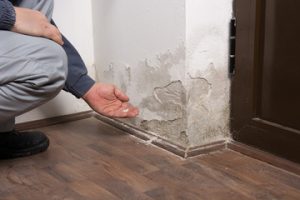
Another common sign is warping, buckling, or sagging surfaces. Water intrusion can cause wood, laminate, or engineered flooring to swell, warp, or separate at seams. Similarly, drywall or ceiling panels may sag or bubble as moisture accumulates behind them. While these issues may start small, they often worsen with prolonged exposure, leading to structural weakness and potentially unsafe conditions. Property owners should be particularly vigilant in areas prone to humidity, leaks, or previous water events, as these locations are more susceptible to hidden damage.
Persistent musty or unusual odors often accompany concealed water problems. Moisture trapped behind walls, under floors, or in insulation provides an ideal environment for mold and mildew growth. Even if surfaces appear dry, these hidden microbial colonies can emit odors that permeate rooms. Unexplained musty smells in closets, basements, or areas with limited ventilation are strong indicators of water intrusion. Addressing these odors quickly is important, as prolonged exposure can affect respiratory health, trigger allergies, and compromise indoor air quality.
Soft or spongy textures on floors and walls are additional warning signs. If flooring feels unusually soft underfoot or walls yield to gentle pressure, it may indicate saturation or rot in underlying materials. This is particularly concerning in high-traffic areas or structural components where weakened surfaces can lead to accidents or further property damage. Even minor soft spots should not be ignored, as they often represent a larger, hidden problem requiring professional inspection and remediation.
Electrical issues can also be linked to hidden water damage. Moisture can infiltrate wiring, outlets, and electrical panels, causing flickering lights, circuit breakers to trip, or outlets to feel warm or emit sparks. These electrical anomalies should always be investigated promptly, as they not only indicate water intrusion but also present safety hazards. Ignoring these signs can escalate risk, leading to costly repairs and potential fire hazards.
In addition to these visible and tactile indicators, certain secondary signs point to the presence of hidden water damage. For example, peeling paint or wallpaper often results from prolonged exposure to moisture beneath the surface. Bubbling or flaking finishes signal that water is trapped behind walls or ceilings, weakening adhesion and leading to aesthetic and structural issues. Similarly, the growth of mold or mildew on baseboards, in corners, or around windows and doors can suggest unseen water accumulation, even in areas that appear dry on the surface.
Plumbing anomalies frequently accompany concealed water damage. Slow-draining sinks, toilets that run continuously, or increased water bills may indicate leaks in pipes hidden within walls or floors. Even minor leaks can create conditions for significant damage over time. Property owners should treat subtle plumbing irregularities as potential warning signs and investigate further to prevent escalation.
Flooring and subflooring issues are particularly common in areas prone to spills, condensation, or high humidity, such as kitchens, bathrooms, or laundry rooms. Unexplained stains, warped planks, or a persistent damp smell in these locations often point to hidden water damage beneath surface materials. Carpeting, rugs, and underlayments can trap moisture, fostering mold growth and structural decay. Recognizing these warning signs early allows for timely intervention, preserving both safety and property value.
Several enumerated signs can help property owners identify hidden water damage more effectively:
- Discoloration on Walls or Ceilings – Yellow or brown stains may indicate leaks or slow moisture intrusion.
- Warped, Buckling, or Sagging Surfaces – Floors, walls, and ceilings that lose their shape often conceal underlying water exposure.
- Musty or Unusual Odors – Persistent smells suggest mold or mildew growth behind hidden surfaces.
- Soft or Spongy Flooring and Walls – Moisture-saturated materials compromise structural integrity.
- Peeling Paint or Wallpaper – Bubbling or flaking finishes indicate trapped moisture.
- Electrical Anomalies – Flickering lights, tripped breakers, or outlet issues may result from water infiltration.
- Unexplained Plumbing Issues – Leaks, slow drains, or higher water bills can signal concealed damage.
In addition to recognizing these signs, property owners should understand the risks associated with delayed action. Hidden water damage can weaken structural components such as beams, joists, and drywall, increasing the likelihood of collapses or costly repairs. Mold and mildew growth not only deteriorates building materials but also poses serious health risks, especially to children, the elderly, or individuals with respiratory sensitivities. The longer water damage remains unnoticed, the more extensive the remediation required, which can escalate both costs and downtime for homes or businesses.
Professional inspection and remediation are crucial for addressing hidden water damage. Advanced tools, such as moisture meters, thermal imaging cameras, and infrared scanners, allow experts to detect water intrusion that is invisible to the naked eye. These assessments identify problem areas, measure moisture levels, and pinpoint the source of leaks, enabling targeted interventions that prevent further deterioration. Professional cleanup often includes water extraction, drying and dehumidification, mold remediation, and structural repairs, ensuring that the property is restored to a safe and functional condition.
Preventive measures also play an important role in reducing the likelihood of hidden water damage. Regular maintenance of roofing, plumbing, and exterior drainage systems can minimize the risk of leaks. Ensuring proper ventilation in areas prone to humidity, such as bathrooms, kitchens, and basements, reduces condensation and the potential for mold growth. Periodic inspections, particularly after severe weather events, help detect early signs of water intrusion before they escalate into major issues.
Insurance considerations further highlight the importance of timely water damage detection. Many property insurance policies cover water-related damage only when documented and addressed promptly. Failure to identify hidden water issues may result in disputes over claims or reduced coverage. Professional inspection reports, combined with early remediation, provide documentation that protects property owners financially while ensuring that repairs meet industry standards.
Another subtle but important sign of hidden water damage is increased pest activity. Moist environments attract insects such as termites, ants, and cockroaches, which thrive in damp conditions. An unexpected rise in pests, especially near walls, flooring, or plumbing, may indicate moisture problems that are not immediately visible. Addressing the underlying water damage not only preserves building integrity but also reduces the risk of infestations that can cause additional health and structural issues.
Basements and crawl spaces are particularly vulnerable to hidden water damage. Poor drainage, high groundwater levels, or foundation cracks can allow water to seep into these areas. Signs such as condensation, musty odors, or mold growth in these spaces often indicate that water has penetrated structural components. Early detection and remediation are essential to prevent further damage to floors, walls, and support structures.
Several practical steps can help property owners monitor for hidden water damage and act promptly:
- Conduct Regular Visual Inspections – Check ceilings, walls, floors, and baseboards for stains, warping, or bubbling surfaces.
- Pay Attention to Odors – Investigate musty or unusual smells that persist in specific areas of the property.
- Monitor Plumbing and Water Bills – Sudden increases or irregularities may indicate leaks.
- Inspect Vulnerable Areas – Focus on bathrooms, kitchens, basements, attics, and areas near plumbing lines.
- Schedule Professional Assessments – Engage experts for periodic inspections using moisture meters and infrared cameras.
In conclusion, hidden water damage presents significant risks to both the structural integrity of properties and the health of occupants. Discoloration, warped surfaces, musty odors, soft flooring, peeling paint, electrical anomalies, and unexplained plumbing issues are all warning signs that should not be ignored. Timely detection, professional inspection, and prompt remediation prevent costly repairs, mold proliferation, and potential safety hazards. By recognizing these indicators, property owners can protect their homes or businesses, maintain a safe and healthy environment, and ensure long-term durability and comfort. Regular monitoring and preventive maintenance further support water damage prevention, making it possible to address minor issues before they escalate into serious problems.